
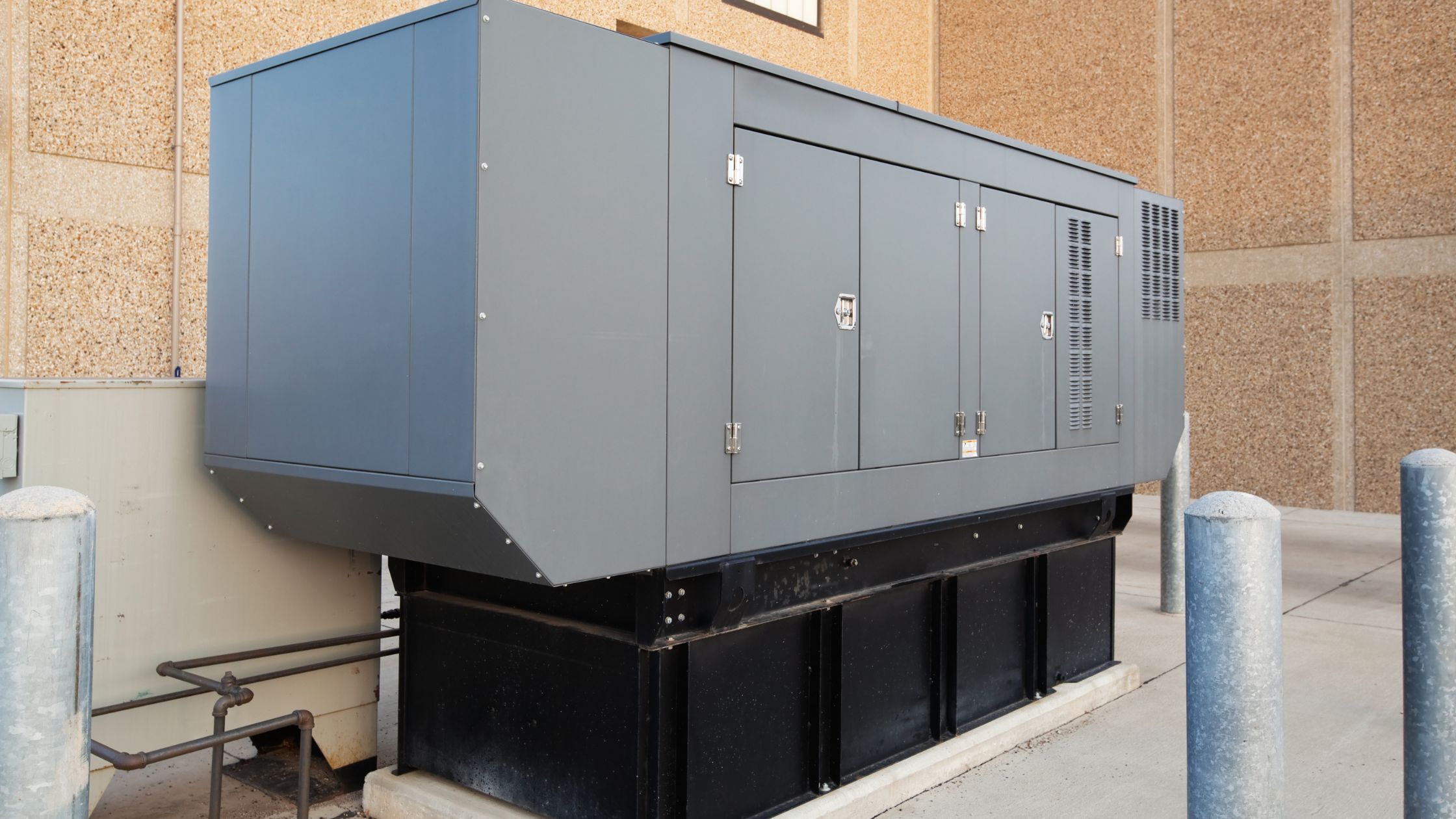
Reliable power solutions are no longer a luxury; they’re a critical necessity for businesses striving to operate effectively in today’s fast-paced world. A single power outage can cost a business significant time, money, and even brand reputation. Whether triggered by natural disasters, infrastructure failures, or grid overload, backup generators have become indispensable, providing a safety net that ensures operational continuity, security, and peace of mind no matter what challenges arise.
The Rising Need for Reliable Power Solutions
Modern businesses rely on a web of interconnected systems, and even a brief power loss can have wide-reaching consequences. Picture a hospital reliant on advanced medical equipment that must function around the clock, or a data center responsible for supporting global financial transactions. Across every sector—be it healthcare, retail, manufacturing, or technology—electricity underpins critical operations. When the power goes out, the effects can reverberate rapidly throughout the organization and its customer base.
According to the U.S. Department of Energy, power outages are increasing in both severity and frequency, with the average U.S. business experiencing several outages each year. The costs are staggering—annual losses from power disruptions exceed $150 billion nationally, underscoring the urgent need for reliable backup solutions. For many businesses, backup power is quickly shifting from an afterthought to a core component of their risk management strategies.
The Risks of Power Outages for Businesses
1. Operational Disruptions
Power outages disrupt everything from assembly lines and inventory management to call centers and point-of-sale systems. For instance, in the manufacturing sector, a sudden loss of power doesn’t just pause production. It can result in extensive delays, spoil large inventories, and force costly rescheduling with clients. Even service-based businesses are hit hard; customer support lines go dark, and the ability to provide basic services disappears.
2. Financial Losses
The financial stakes associated with power interruptions are immense. According to a study from the Electric Power Research Institute (EPRI), even a single hour of downtime can cost a small business several thousand dollars, while the losses for larger organizations can reach into the millions. Consider a retail store that experiences an outage on Black Friday. Potential revenue vanishes, employees are left idle, and urgent decisions must be made without clear visibility, both literally and figuratively.
3. Data Vulnerability
Unplanned outages can send IT systems offline without warning. This can lead to costly data losses, interruption of critical updates, and even potential compliance violations in sectors governed by strict regulations like finance and healthcare. Essential backup and recovery processes often depend on continuous power, and without a generator, recovering after an outage grows ever more complicated and time-consuming.
4. Damage to Equipment and Inventory
When the power is unexpectedly cut, sophisticated machinery, HVAC systems, and storage units may become vulnerable to permanent damage. Organizations that rely on temperature-sensitive goods, such as pharmaceutical companies and food retailers, face the challenge of protecting perishable items from spoilage, which can result in significant financial losses.
How Backup Generators Address These Challenges
Backup generators are engineered to restore power in moments, keeping organizations running even when the surrounding city is at a standstill. Their benefits are both immediate and multifaceted:
1. Ensuring Continuity
From security lighting and life safety systems to IT infrastructure and communications, generators keep businesses running smoothly until the main grid is restored. They often activate automatically within seconds of an outage, ensuring minimal disruption. This continuity is vital in industries where every moment counts, such as hospitals performing surgeries or logistics centers tracking real-time shipments.
2. Enhancing Security
Blackouts often lead to increased risk of theft, vandalism, or other security breaches. Security systems, including surveillance cameras, alarms, and keycard access points, rely on uninterrupted power. When a generator is part of the plan, these protections stay active, further ensuring the safety of employees, assets, and data.
3. Supporting Remote Work Environments
As remote and hybrid work models become the norm, uninterrupted access to data servers, cloud storage, and digital communication has become essential. Power outages that affect an office now have the potential to impact the entire distributed workforce. Businesses equipped with backup generators can maintain seamless operations and ensure remote teams remain productive, connected, and supported.

4. Avoiding Financial Damage
Downtime can cost more than immediate lost sales. It can lead to contract breaches, SLA penalties, and reputational damage that’s harder to measure but just as significant. Investing in a generator system is about more than protecting revenue; it’s about ensuring customers, partners, and employees know they can rely on you, no matter what happens.
Industry Examples of Backup Generator Benefits
Healthcare Industry
Hospitals and clinics have virtually zero room for error where power is concerned. Backup generators ensure that life-saving machines, patient records systems, and refrigeration for vaccines and medications remain operational at all times. During Hurricane Sandy, backup generators allowed numerous New York City hospitals to continue critical care services even as the city around them lost power, illustrating the direct impact of generator preparedness on patient outcomes.
Data Centers
Data centers keep the global economy connected, hosting everything from banking infrastructure to social media platforms. Any downtime can compromise service level agreements (SLAs), lead to major client losses, or even contribute to data corruption. State-of-the-art backup power grids, often incorporating both generators and battery systems, are standard in this industry to ensure the “always-on” expectations of a digital world.
Hospitality Sector
Hotels, restaurants, and venues must deliver uninterrupted guest experiences. For example, hotel chains in areas prone to hurricanes regularly invest in large generators to keep lighting, heating, cooling systems, and digital reservations running, even during prolonged blackouts.. Restaurants, too, protect both customer safety and supply chains by keeping refrigeration and kitchen equipment operating.
Manufacturing and Retail
For manufacturers, every second of downtime means lost productivity and, in many cases, ruined materials. Retailers need continuous power to operate registers, process credit card transactions, and protect temperature-controlled inventory. Retailers with backup generators not only safeguard earnings but also build trust with their communities by serving as reliable suppliers when others cannot.
Tips for Choosing the Right Backup Generator
Investing in a backup generator isn’t a one-size-fits-all process. Proper selection and implementation are key to ensuring your business reaps all the benefits.
1. Assess Your Power Load
Take a comprehensive inventory of the systems and equipment your business needs to operate during a blackout. Think beyond just lights and include HVAC, security systems, refrigerators, IT hardware, and any compliance-driven equipment. Consulting with an energy expert or certified electrician can help ensure your calculations are accurate and thorough.
2. Determine Generator Size
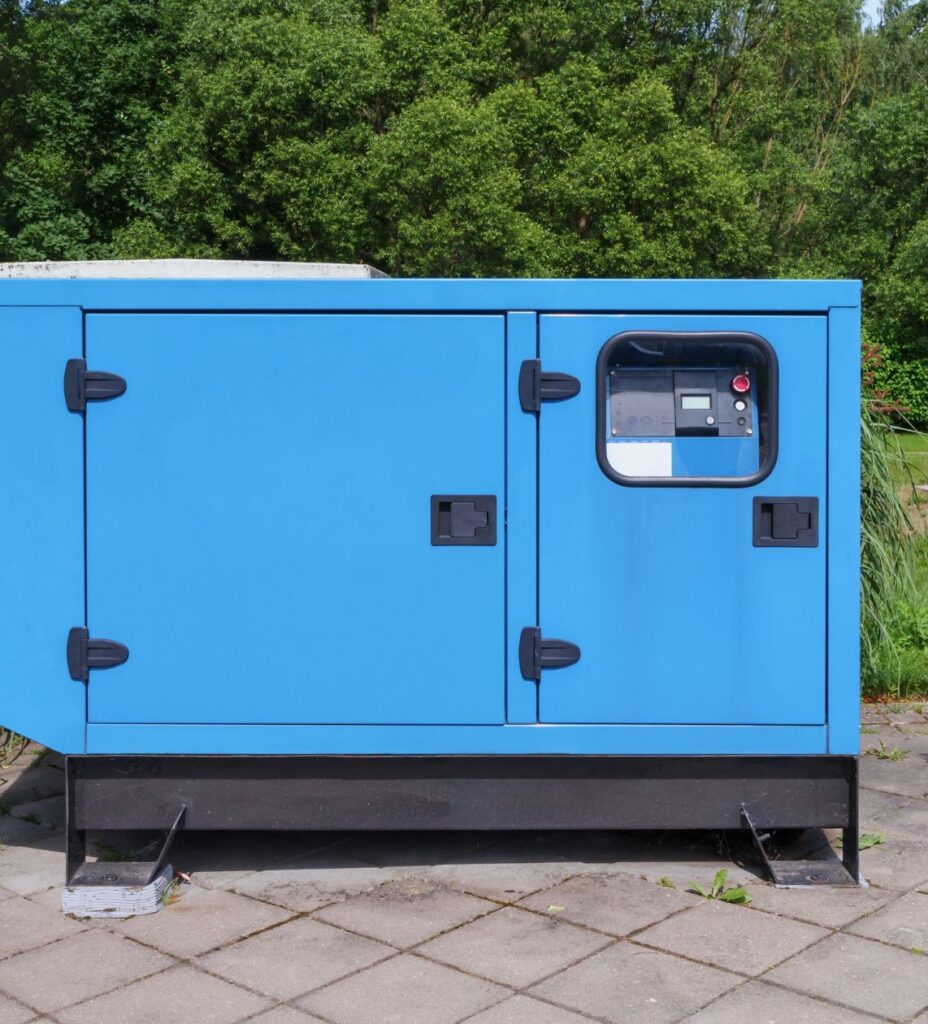
Generators range from small, portable units designed for individual appliances to massive industrial models capable of powering entire buildings. The power requirement is typically measured in kilovolt-amperes (kVa) or kilowatts (kW). For example, a small business office might require a 25-45kVa unit, whereas a medium manufacturer could need upwards of 220kVa.
3. Choose the Right Fuel Type
Your choice of generator will also hinge on the type of fuel available and preferred in your region. Diesel generators are popular due to their reliability and long run times, making them suitable for facilities that can’t afford any downtime. Natural gas generators offer lower emissions and are often easier to maintain. Propane units, meanwhile, provide a quieter operation and perform well even in colder climates.
4. Consider Installation Requirements
Site preparation, including assessing space availability, ensuring proper ventilation, and providing weather protection, is a crucial step for safe and effective generator installation. Portable units are ideal for businesses in leased spaces or those needing flexibility in deployment. Larger, permanent installations may require permitting and professional installation to meet regulatory standards.
5. Factor in Maintenance and Costs
Like any piece of critical infrastructure, generators require regular maintenance to perform as expected. Many providers offer ongoing service plans, remote monitoring options, and rapid-response repair contracts. While initial costs can seem steep, it’s essential to weigh these against the expenses (and risks) associated with extended downtime or equipment loss.
Final Thoughts
A backup generator isn’t just a precaution, it’s a strategic investment that safeguards your business’s operations, security, and reputation in today’s unpredictable world. By carefully evaluating your power needs and selecting the right generator solutions, you empower your team to achieve success even under adverse circumstances. In an environment where every second counts, being prepared is the ultimate act of partnership toward your customers and employees. Don’t wait for the next outage; invest in resilient power solutions and build a future where your business is always ready to serve.