
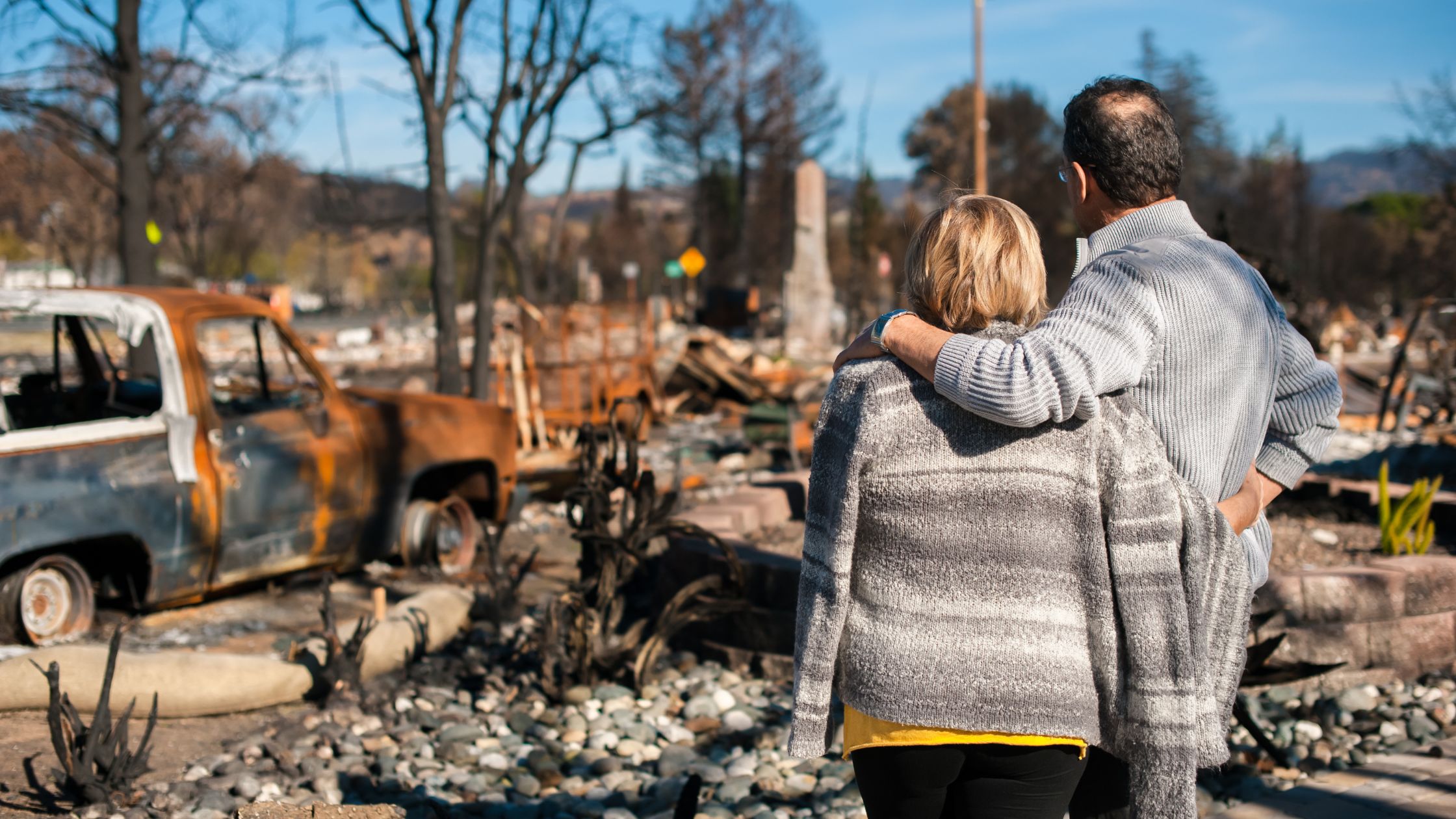
When a disaster strikes, the first priority is protecting lives and property. Immediately following, the recovery process begins. This complex effort involves coordinating emergency services, restoring essential infrastructure, and helping communities get back on their feet. At the core of all these activities is a single, non-negotiable need: reliable power. Without electricity, hospitals cannot treat the injured, communication networks fail, and cleanup operations grind to a halt. Understanding how dependable power systems support disaster recovery is essential for building resilient communities prepared for any crisis.
Discover the critical function of power in recovery efforts. We will examine different reliable power solutions, from traditional backup generators to modern smart grids, and discuss the challenges and innovations shaping the future of emergency power.
The Unseen Engine of Recovery: Why Power is Paramount
In the aftermath of a hurricane, earthquake, or severe storm, the local power grid is often one of the first and most widespread casualties. Restoring it can take days, weeks, or even longer. During this critical window, every aspect of the recovery operation depends on an alternative source of energy.
Critical facilities are the command centers of any disaster response. Hospitals need uninterrupted power to run life-support equipment, operating rooms, and diagnostic tools. Emergency operations centers (EOCs) require electricity to coordinate first responders, manage resources, and communicate with the public. Water treatment plants must remain operational to provide safe drinking water and prevent the spread of disease. Without reliable power, these essential services cease to function, compounding the initial disaster’s impact. Power is the backbone that enables first responders to do their jobs and helps communities begin the healing process.
Key Power Systems for Disaster Response
No single power solution fits every scenario. A resilient disaster recovery strategy often involves a combination of different technologies, each with its own strengths.
Backup Generators: The Proven Workhorse

For decades, diesel and natural gas generators have been the go-to solution for emergency power. These systems provide a stable and powerful source of electricity, capable of running entire facilities for extended periods. Their primary advantage is their reliability and ability to generate substantial power on-demand.
- Industrial and Commercial Use: Large industrial generators can power manufacturing plants, data centers, and large medical facilities. This keeps critical economic infrastructure running and prevents costly downtime.
- Rapid Deployment: Mobile, trailer-mounted generators are invaluable in the initial hours after a disaster. They can be transported directly to the point of need, providing immediate power for field hospitals, command posts, and shelters. For example, after Hurricane Ian struck Florida, thousands of mobile generators were deployed to power traffic lights, lift stations, and emergency shelters, restoring a semblance of order while utility crews worked to repair the grid.
Companies specializing in full-service power solutions handle everything from delivery and installation to fuel management and maintenance. This turnkey approach allows disaster recovery coordinators to focus on their primary missions without worrying about the logistics of their power supply.
Renewable Energy and Battery Storage: A Sustainable Approach
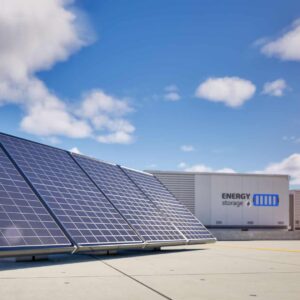
Solar panels and wind turbines, paired with battery storage systems, are becoming increasingly important for disaster resilience. While traditional generators rely on a steady supply of fuel, which can be difficult to obtain during a crisis, renewable systems can generate power independently as long as the sun is shining or the wind is blowing.
Microgrids, which are localized power grids that can disconnect from the main utility grid and operate autonomously, are a powerful application of this technology. A hospital with a solar and battery microgrid can maintain power even if the surrounding area is dark. After Hurricane Maria devastated Puerto Rico’s power grid in 2017, several facilities with solar-plus-storage systems were able to stay online, serving as beacons of hope and vital community resources.
Smart Grid Technology: Building Intelligence into the Grid
Smart grid technology represents a fundamental shift from a centralized, one-way power system to a decentralized, intelligent network. By integrating digital communications and advanced sensors, smart grids can automatically detect and isolate outages, rerouting power to minimize disruptions. This “self-healing” capability can dramatically speed up power restoration after a storm.
During a disaster, a smart grid can help utility operators identify the precise locations of faults, enabling them to dispatch repair crews more efficiently. It also allows for better management of distributed energy resources, like rooftop solar and backup generators, integrating them into the grid to support overall stability.
Comparing Power Systems for Disaster Recovery
| Feature | Backup Generators | Renewables + Storage | Smart Grid Technology |
| Primary Function | Immediate, high-output power | Sustainable, long-term power | Grid resilience and efficiency |
| Fuel/Source | Diesel, natural gas, propane | Solar, wind, geothermal | Grid power, distributed energy |
| Deployment Speed | Fast (mobile units) | Slower initial setup | Integrated into infrastructure |
| Best For | Hospitals, EOCs, large sites | Critical facilities, communities | Widespread grid restoration |
| Key Limitation | Requires constant refueling | Intermittent power generation | High upfront investment |
Challenges and Innovations in Emergency Power
Ensuring reliable power during a disaster is not without its difficulties. Fuel logistics can become a nightmare, with damaged roads and overwhelming demand creating severe shortages. The sheer scale of a regional blackout can overwhelm the available resources, including generators and skilled technicians.
To address these challenges, the industry is continuously innovating. Key advancements include:
- Dual-Fuel Generators: Modern generators that can run on both natural gas and diesel offer greater flexibility. If one fuel source becomes unavailable, the system can switch to the other, ensuring continuous operation.
- Remote Monitoring: IoT-enabled generators allow technicians to monitor fuel levels, engine performance, and power output remotely. This proactive approach helps prevent failures and enables efficient fuel management across dozens or hundreds of deployed units.
- Fuel Polishing Services: Stored diesel fuel can degrade over time, leading to generator failure when it’s needed most. Fuel polishing services remove contaminants and water, ensuring the fuel is clean and ready for an emergency.
The Future of Disaster Recovery Power

Looking ahead, the integration of various power technologies will define the next generation of disaster response. We will see more hybrid systems that combine the on-demand power of generators with the sustainability of solar and batteries. Advanced microgrids will become standard for critical infrastructure like hospitals, airports, and military bases, creating “islands” of power that can operate indefinitely during a regional outage.
Additionally, artificial intelligence (AI) will play a larger role in predicting grid failures and optimizing the deployment of repair crews and mobile generators. With climate change causing more frequent severe weather events, investing in resilient and intelligent power systems is both a strategic advantage and a critical public safety measure. By prioritizing reliable power, we can ensure our communities are better prepared to withstand, respond to, and recover from any disaster.
Frequently Asked Questions (FAQs)
What is the first thing a facility manager should do to prepare their power system for a disaster?
The first step is to develop a comprehensive emergency power plan. This includes assessing your facility’s power needs, securing a contract with a reliable generator provider, creating a refueling strategy, and regularly testing your backup systems.
How do mobile generators differ from permanent standby generators?
Permanent standby generators are installed at a fixed location and are designed to automatically power a facility during an outage. Mobile generators are trailer-mounted and can be transported to any location, making them ideal for temporary needs like disaster recovery sites, construction projects, or special events.
Can solar panels work during a hurricane?
While solar panels themselves are built to withstand high winds, they do not produce power without sunlight. In a hurricane, heavy cloud cover and rain will significantly reduce or stop power generation. A battery storage system is necessary to provide power during the storm itself, which can then be recharged by the panels once the weather clears.
What does a “turnkey” power solution mean?
A turnkey solution means the provider handles all aspects of the emergency power setup. This includes an initial assessment of your needs, delivery and installation of the generator, ongoing fuel management, maintenance, and eventual removal of the equipment. It simplifies the process for the client, who only needs to turn the key, so to speak.
How is a microgrid different from a standard backup generator?
A backup generator typically only powers a single building or a select number of critical circuits. A microgrid is a more advanced, self-contained power network that can manage multiple power sources (like solar, batteries, and generators) and power an entire campus, neighborhood, or district independently of the main utility grid.